Concussion – Early Recommendations
Safety First!
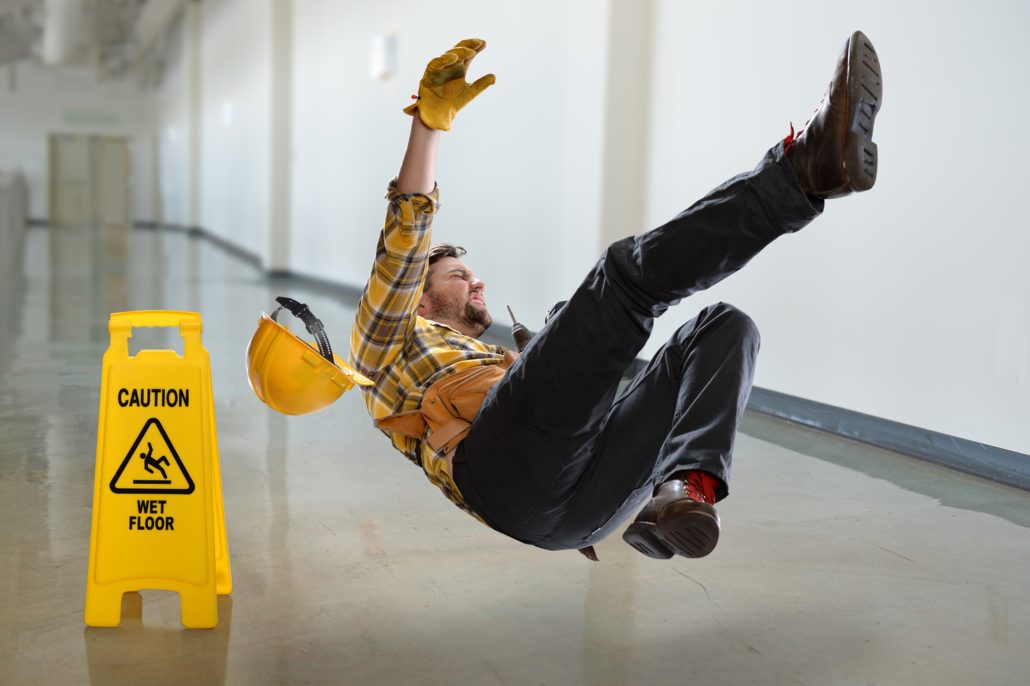
Avoid risky behaviors and activities right after your concussion!
Take action to avoid a second injury.
Athletes playing just one additional play take 50% longer to recover!
Avoiding high stimulus environments (e.g., the grocery store, concerts, and crowds) will also help early on.
What you CAN do:
Watch this video for a quick overview of the first 24-48 hours post concussion. Please remember that these are best practice recommendations and you should always consult with your medical provider.
Rest is Best - Only for the first 48 hours!
Rest, mindfulness, breathing, true relaxation, and self-care should be implemented right away after injury.
Research now shows that early, symptom guided activity is vital to recovery and can start in the first 48 hours after injury.
Cocoon therapy is no longer recommended!
Sleep:
- Sleep as much as needed (as long as you are easily awakened) in the early phases.
- Be careful not to disrupt your normal sleep cycle.
- Avoid late afternoon naps (after 3pm).
- Sleep is important – the brain heals best when you are sleeping a normal sleep cycle.
Pacing:
- Do your best early on to reduce demands on your day.
- This includes physical, mental, social, and emotional demands!
- The Stoplight Theory is a good rule of thumb to follow:
- Do an activity until symptoms increase by 2-3/10 points (20-30%) – the “yellow” zone.
- Rest and recover until you are back to “green”.
- Try to avoid the “red” zone – “wired tired”.
- When you hit the red zone, you create an energy deficit which the brain has to make up for later.
- Other options: imagine a cellphone battery, the “spoon theory”, the piggy bank, etc.
- Pacing allows you to push your brain into a challenge and then focus on the recovery.
- It also allows you to make different decisions each day based on your available energy.
- Be patient with yourself!
Mindfulness / meditation – learn more in the early treatment section.
Try a breathing exercise to calm your nervous system:
- Focus on breathing in through your nose and out though your mouth
- Let your belly rise first, then the chest – try to keep your neck relaxed!
- Exhale with a “haaa” sound and try to exhale longer than you inhale until completely empty – feel your abdomen tighten to push air out
- Repeat sequence
Take a few breaths with these concepts in mind and focus on each breath
Sometimes, it is helpful to count to slow the breaths down. We suggest to begin with simple focus on above technique for 2-3 minutes.
Managing Screen Time
It is best to limit screens in the first 24-48 hours including:
- The computer, phone, video games, and TV
- Screens can cause eye strain and headaches.
- If you are still experiencing these symptoms after 3 weeks, please see our Advanced Treatment section.
The 20/20 rule is a good rule of thumb for reintroducing screens: 20 minutes of close work, 20 minutes of rest.
- Rest could include looking at something farther away, going for a walk, closing your eyes, listening to an audiobook, and similar activities
Tips to help with screen tolerance:
1. Blue blocker glasses – patients have liked the EyeKepper glasses on Amazon. These can even provide relief in overhead lights.
2. Apple products often have “Night Shift” mode in the display settings. This will filter blue light on your phone/computer/ipad etc.
You can decide if warmer or cooler tones feel more relaxing on your eyes.
3. Android phones – newer devices have a blue light filtering option in settings. OR download a free “Blue Light Filter” app from the Google Play Store to adjust the lighting on your phone.
All individuals would benefit from adding a blue light filter to their phone – especially on a timer before bedtime. The light from our phone can keep us up at night or cause restless sleep.
Early Exercise is Key!
Light cardiovascular exercise should be started early – after the first 48-72 hours (2-3 days)
- Early exercise, below symptom thresholds, promotes blood flow to the brain and improves the speed of recovery
- Pay attention to your body!
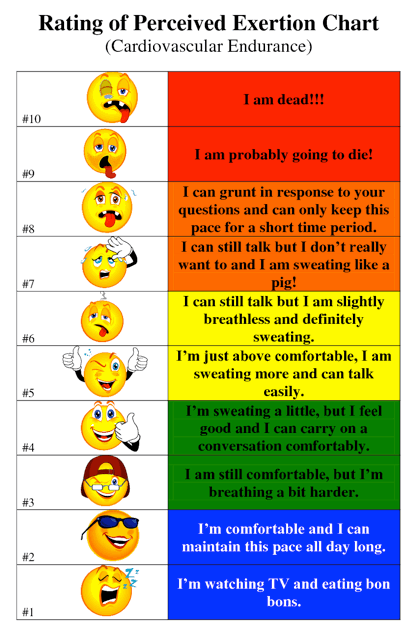
- Your symptoms should not increase by more than 2/10 points (20%) during or after exercise
- For example, if you start at a 2/10 headache, you should not exercise to the point that your headache increases to more than a 4/10
- You should feel energized at the end of your 20-30 minute exercise session.
Recommended options:
- Stationary bike
- Walk the dog
- A walk around the block
- Gentle swimming – once cleared by a healthcare provider
Strength training:
- Body weight exercises are often safe to start early after a concussion.
- Make sure to follow the symptom rules.
- Strength training / weight training requires more blood flow to your muscles.
- Therefore, you should start at 50% of prior levels but not until Stage 4 of the Return to Sport Protocol.
You should be able to tolerate moderate to vigorous cardiovascular exercise before completing heavy weight training OR impact activities.
Return to Sport / Recreational Activities
Return to sport / recreational activities:
- Follow the Return to Sport Guidelines
- You should meet the following criteria BEFORE initiating contact / high risk activities:
- Fully in school / work / cognitive (thinking) activities
- Able to exercise at a moderate-high intensity for at least 20-minutes most days of the week
- Able to complete weight training at prior abilities
- Able to complete skills / drills
- Able to tolerate impact from running / drills
- Always participate in practice before you attempt to participate in a game
- Follow the advice of your healthcare provider – the instructions here are educational and do not replace supervised medical advice.
Click here to learn more about our groundbreaking Return to Life & Sport exercise program. We are here to guide your recovery with daily exercise.
If your exercise intolerance (symptoms increasing with exercise) persist, you should be evaluated by a healthcare professional as there are a variety of reasons this can occur.
You can listen to our podcast on dysautonomia to learn more.
Nutrition and Supplements
There is limited research for optimal guidance on nutrition for concussion. Fads come and go.
The best thing you can do is follow a well-balanced diet focusing on B vitamins, protein, and low sugar. Some individuals find that an anti-inflammatory diet can be very helpful. This is true for people with or without a concussion.
- Proteins are the building blocks for our cells
- Women over 40 years old need 1 gram of protein per pound of body weight
- Reducing inflammatory foods can improve absorption and the delivery of necessary nutrients to support the recovery process.
Avoid: caffeine, stimulants, and alcohol early on in your recovery.
- Talk to your healthcare provider about when to add these back into your diet.
Supplements:
These also come and go however, a few remain consistently recommended.
- Fish oil with DHA and EPA – 2000-2500mg per day as directed by your healthcare provider.
- DHA is critical for brain and nervous system function and protection. It helps with cellular recovery and survival.
- Vegetarian options exist
- DHA is often recommended for daily consumption with or without a concussion
- Patients with a history of A-fib and other heart conditions may need to exercise caution with fish oil and should consult their healthcare provider for more information.
- B Complex Vitamins – B Vitamins are our energy sources and help to rebuild cells.
- Patients often report improved energy when taking B Complex however, the research continues to be limited.
- Melatonin – Melatonin is naturally occurring in our bodies and helps to regulate sleep.
- Slow-release capsules at bedtime can help patients initially struggling to fall asleep and / or maintain sleep.
- Average dose is 3-6mg, always consult your medical team before starting anything new.
- Natural sleep aides are often the first line of defense.
- Exercise caution with prescription sleep aides and over the counter PM medications.
- Magnesium – There are different types of magnesium on the market but the best ones for concussion are Magnesium Glycinate and Magnesium Threonate.
- Magnesium Threonate is preferrable as it can help with sleep and crosses the blood-brain-barrier. It is typically more expensive.
- Magnesium helps with regulating nerve and muscle function, blood sugar levels, headaches, sleep, and inflammation.
- It is often recommended to take Magnesium before bed for added sleep benefits.
- Prebiotics – these are foods that are not easily digested by your gut and create a healthy environment for the “good bugs”. Foods high in fiber can help reset your gut microbiome.
- Probiotics – These are generally recommended to improve the gut. The gut can be altered due to the stress of healing, resulting in poor absorption of necessary nutrients from the diet.
- Your gut is your second brain – more serotonin is made in your gut than in your brain
- Vitamin D3 – We naturally get Vitamin D from the sun but many people are deficient in D, especially in the colder months and higher altitudes.
- Vitamin D helps us to absorb and use Calcium in our bodies. It supports our immune response which is activated and taxed from trauma and stress.
Please always be sure to respect any allergies you may have.
Listen to the podcast below to learn more about these supplements and the newest recommendations!



Recovery is most efficient when patients learn to:
- Manage the demands of their day
- Avoid the negative impacts of isolation
- Re-establish a consistent daily schedule with appropriate accommodations
- Manage energy expenditure
Expand the options below to learn more about Return to Work and Return to Learn Recommendations.
General Information
Decreasing stress to your visual system early can help with recovery.
When computers cannot be avoiding (work / school), set a timer every 30-60 minutes to take a break.
Try the following strategies:
- Stand up
- Look away
- Complete light stretching
- Sit and take 5 deep breaths with eyes closed
Do your best to avoid screens for nonessential tasks. A blue light filter, or blue blocker lenses, may help you get through your work day.
General recommendations:
- Start with half days and progress to full days as tolerated
- Progress to full days and half days alternating until you can finally return to work full time.
- 5-15 minute breaks every hour
- Add blue blockers to your screen – a blue light filter (adhesive screen attachment or download a program to take over your computer monitor) or blue light lenses – we often recommend EyeKepper computer lenses from Amazon.
- Your doctor will be crucial in your return to work – their recommendations will help support your specific needs.
Listen to our Podcast with Concussion Talk to have an audio review of possible accommodations
Return to School
Getting the kids in the building is the #1 priority.
We recommend 2-4 days of rest if needed. Then prioritize getting back to school with accommodations to control symptoms ASAP.
Common recommendations:
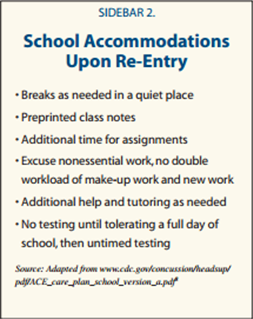
- Eliminate homework and testing.
- When the student is able to complete half days with limited symptoms, begin the progression to full days.
- This is a good time to add essential homework in 30-minute increments
- WAIT for testing until the student is able to tolerate full days of school with limited rest / accommodations
- It is not reasonable to test a student who can barely tolerate being in the classroom
- When the student is able to complete half days with limited symptoms, begin the progression to full days.
- Make-up Work: essential work only. Give the student extra time to make up assignments.
- Use incomplete, pass/fail grades versus letters.
- Allow the student to make up the work over school breaks / summer break.
- Adding too much work back in too quickly will only increase the student’s stress and symptoms.
- This includes homework, reading, and screen time.
- Use incomplete, pass/fail grades versus letters.
- Add blue blockers to the computer screen via a blue light filter (adhesive screen attachment or download a program to take over your computer monitor) or blue light lenses – we often recommend EyeKepper computer lenses from Amazon.
Early accommodations for school can be very successful in getting the student back to school and avoiding the negative impacts of isolation.
- For more information, reference the Return to Learn Protocol.
ADDITIONAL OPTIONS:
- Reduce light / noise – decrease the stimulation of their environment. It is important to wean out of these strategies as soon as possible.
- Use sunglasses, brimmed hats, or blue light filters to decrease visual stress.
- Use ear plugs to decrease sound.
- Allow the student to put their head down or leave the classroom to sit in the hallway for 5-10mins when symptoms increase.
- Allow the student to leave 5 mins early or late to avoid the hallways between classes. These are times of the day that have the most noise and can be the most overwhelming to the concussed individual.
- Lunchroom – allow the student to eat lunch in a quiet location to avoid the hectic lunchroom.
- This may improve the student’s ability to stay for the whole day.
- The library, nurse’s office, or counselor’s office are excellent locations.
- Allow the student to rest, meditate, or listen to music during this break.
- We often request 1-2 friends be allowed to join to avoid feelings of isolation.
- Audio books – provide access to textbooks / reading assignments on audio. The student can read along – or simply listen – to decrease visual overload.
- Front row – you can just get to class early, or have this as a written accommodation. Sitting near the front will help with distractions.
NO – PE, Recess or Sports until you are cleared by your provider!
Check out our Return to Life & Sport exercise progression to help get you back to your favorite activities.
You do NOT need to be 100% in school to exercise but you DO need to be 100% in school to participate in sports!
Return to Work
We know you have to get back and be productive as soon as possible. But living in the “red zone” will only make you less efficient and more symptomatic over time.
Take some easy / early steps to help you manage your symptoms and fatigue:
- Get a few extra days of rest right after the injury by using sick leave or vacation days. This often can make all the difference.
- Start part-time with low level / low risk work.
- Avoid heavy lifting, ladders, and other activities putting you at risk for a fall or re-injury.
- Periodic short breaks in a quiet environment away from screens and crowds.
- 5-15 minute breaks every hour
- If your employer is accommodating – decrease shifts to 4-6 hours or alternate full and half days.
- Progress to full days and half days, alternating until you can finally return to work full time.
- Add blue blockers to screen via a blue light filter (adhesive screen attachment or download a program to take over your computer monitor) or blue light lenses.
- Use ear plugs/ear buds, a brimmed hat, or sunglasses to decrease the severity of light and noise in your environment.
- If your injury is severe – explore your options for short term or long term disability with your provider.
- Some individuals will require a change of their roles and responsibilities – or a new field all together.
- These decisions should not take place immediately and should handled between you, your family, and your providers.
Your doctor will be crucial in your return to work. Their recommendations will help support your specific needs in the workplace.
College Recommendations
For the college students, there are options to help you complete successfully.
If you are currently enrolled and require early / temporary accommodations, please refer to our school accommodations.
This section is for those of you who may require permanent accommodations to successfully earn your degree.
- Visit with your College/University’s Disability Resource Center. They will have applications / forms for you and your providers to complete.
- Portions of your medical record may be required depending on your situation.
COMMON OPTIONS:
- Extra time – you can have “time and a half” or “double time”.
- For example, if the class has 60 minutes to take a test, you would receive 90 minutes.
- This can decrease the effects of stress and anxiety.
- Quiet location – schools often have a designated testing location available to students.
- Some students can stay in the classroom setting with ear plugs – this can be coordinated between yourself and your professor.
- Audio – you may be able to have your test read to you. This can decrease the negative effects of reading.
- Audio books – digital texts and reading assignments are now commonplace. Accommodations can reduce the cost or improve access to these resources. Reading along or simply listening can decrease visual overload.
- Front row – get to class early or have this as a written accommodation. Sitting near the front will help with distractions.
- Record lectures – audio recording of lectures is easier than ever. This accommodation will help with studying later and allow you to decrease the stress of keeping up in class.
- Smart Pen – These are available through some Resource centers, grants, or for purchase through electronics stores. A smart pen can record your writings to the computer electronically and can also record the teacher’s lecture through the device.
- It can compile your written notes and the lecture into one document through the computer program.
- These are an expensive but incredible option if needed.
- Use ear plugs/ear buds, a brimmed hat, or sunglasses to decrease the severity of light and noise in your environment.
- Add blue blockers to the computer screen via a blue light filter (adhesive screen attachment or download a program to take over your computer monitor) or blue light lenses.