
What is a concussion?
A concussion is a form of mild traumatic brain injury (mTBI) – not simply getting your “bell rung”. Concussions should be treated with the respect they deserve.
Basic Concussion Facts
The CDC defines a concussion as:
“a TBI caused by a bump, blow, or jolt to the head or by a hit to the body that causes the head and brain to move quickly back and forth.”
- A direct hit to the head is not required to suffer a concussion
- For example, in a car accident your head may rock back and forth without hitting the windows or steering wheel (whiplash injury).
- “I didn’t even get hit in the head” – many concussions go undiagnosed every year due to misinformation.
- Less than 10% of concussions include a loss of consciousness
- A brief loss of consciousness has no predictive value in the severity of a concussion.
- It should not be used in grading scales or considered in the diagnosis or treatment of a mild traumatic brain injury.
Who gets a concussion?
Concussions are NOT just a sports injury.
Of the ~5million annual concussions in the US, only 2.1million are related to sports!
Other causes of concussion:
- Falls*
- Playground accidents
- Motor vehicle accidents
- Military incidents
- Intimate partner violence
- Assault / abuse
*Most common cause in older adults. 1 in 4 older adults (over 65 years old) will fall each year. Falls are the leading cause of preventable death and disability for this population in the US.*

What happens to the brain in a concussion?
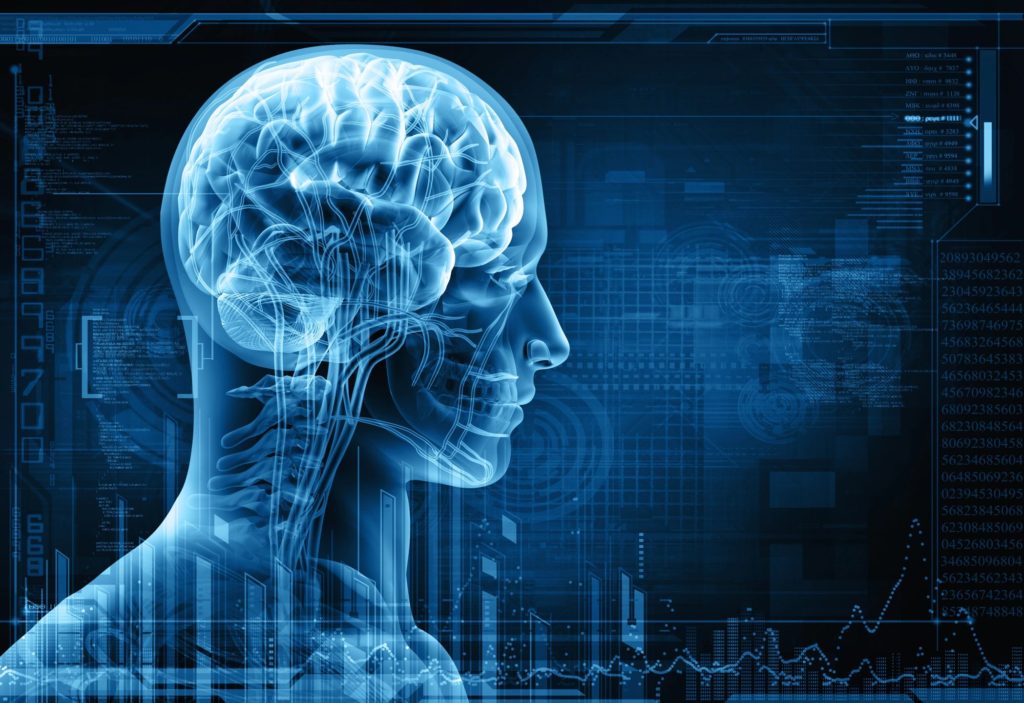
- The brain shears and rocks on itself like a jello mold in a Tupperware container.
- This motion damages the cells in the brain.
- The cells break apart and do not work as well.
- Then, the brain has to use energy to clean up this mess.
- Leaving less energy for normal brain activities.
More severe injuries are a Diffuse Axonal Injury (DAI) where the nerves (electrical cords) in the head are stretched and torn. DAI occurs most often in high impact and rotational injuries.
Concussions do not show up on imaging.
- There is currently no imaging (MRI / CT scan) that can show this functional damage.
- Scans are used to identify more severe problems such as a brain bleed or break in the skull bones (fracture).
The shearing forces in a concussion cause functional changes in your brain that can be mild or significantly impact quality of life.
- Structured and individualized therapies can address these functional problems and return to you normal life.
Concussions should be taken seriously – we only get 1 brain.
Treat yours well!

How do I identify a concussion?
Concussion signs and symptoms vary widely. Sometimes, symptoms may be delayed by up to 72 hours (3 days)!
Learn More
People experience concussion symptoms differently.
When symptoms are not immediate, this can be confusing. “I think I got the flu a few days after the game.”
Although it is possible you also came down with the flu, these symptoms may be delayed signs of a concussion!
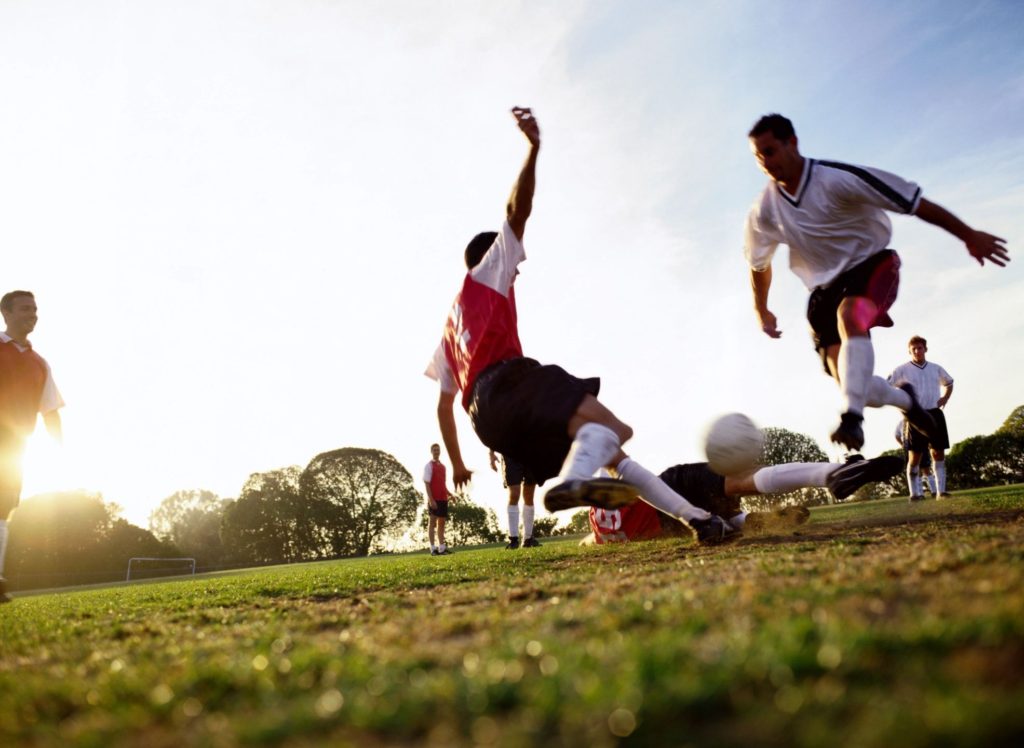
If you see an athlete take a hit – or a person have a big fall – just remember “When in doubt, sit them out!”
Continuing for just 1 additional play can cause recovery times to double.
Common Signs & Symptoms
1. Physical:
- Headache and / or dizziness (the two most common symptoms! >70%)
- Visual problems / changes
- Nausea and / or vomiting
- Light and / or noise sensitivity
- Balance problems
- Numbness / tingling
- Fatigue
2. Thinking / Mental:
- Feeling mentally foggy
- Problems with focus / concentration
- Memory problems
- Slowed thinking speed
3. Emotional:
- Irritability / mood changes
- Sadness
- Feeling more emotionally reactive or sensitive
- Nervous or anxious
4. Sleep:
- Drowsiness
- Sleeping more or less than usual
- Trouble falling or staying asleep

Red Flags / Danger Signs
If you have any of these, seek immediate medical attention (Hospital or Urgent Care).
Danger / Red Flags
- Severe headaches
- Repeated vomiting
- Trouble walking / talking
- Seizure activity
- Increased confusion
- Numbness in arms / legs
- Significant neck pain
- Unusual change in behavior
- Cannot be awakened
Regular monitoring is recommended in the early stages after injury because symptoms may be immediate or they may worsen over the first 12-24 hours.
What should I do if I think I’ve had a concussion?
Watch for red flags / danger signs.
If worsening, seek medical care immediately.
See your healthcare provider for individualized treatment options.
Explore here for return to sport information.
Brief Overview and Links to More
Most injuries heal within 21 days using the strategies listed below.
However, if your recovery is delayed (>2 weeks), use the information in our Treatment Section to find evidence-based care near you.
- Early symptoms: Complete the following recommendations, you can listen to the video instead of reading to help with headaches and eye strain.
- Returning to sport for the athlete: Seek qualified health care provider for Return to Sport progression and clearance.
- Most states require clearance from medical provider prior to return to organized sport.
- Check out our exercise program to learn routines meeting each stage of the Return to Sport protocol.
- Returning to activity for the active individual:
- Begin easy activity.
- Avoid exercise that increases your symptoms by more than 2 out of 10 points.
- You may then progress through graded exercise program slowly until you are able to reach pre-injury fitness.
- Remember, running causes jarring to your brain and should wait until the later stages of recovery.
Phoenix recommends both physical and cognitive (thinking) clearance prior to returning to impact and contact activities.
Please seek this assistance in your area.